What we do

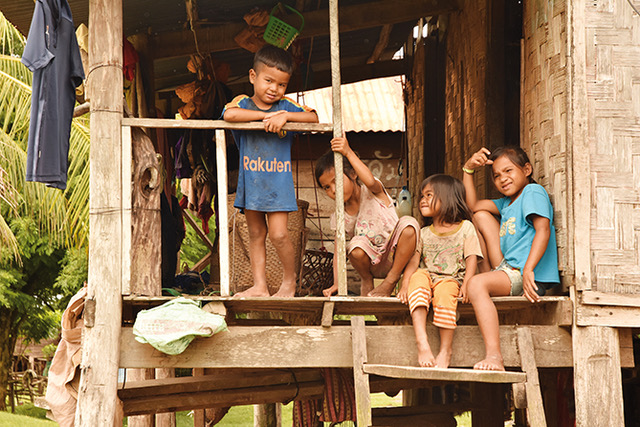
Improving nutrition for hundreds of Cham H’roi children

Located in the remote mountainous area of Phu Yen province, 100% of Phu Mo commune’s residents are of Cham H’roi ethnic group. 25% of the children in the community are malnourished. Being aware of this situation, MCNV has cooperated with local partners in Phu Yen to bring about better meals and better lives to the children.

Malnutrition obsession

On contrary to the name which means “rich and fertile”, Phu Mo is known as the highest, remotest and poorest commune in the southern central province of Phu Yen.

With a population of more than 3,000, 70% of the local residents are impoverished or living on the threshold of poverty.

Local people earn their living on shifting cultivation, earning for their livings mostly by planting cassava. Due to the instable price, this crop only can help them generate a limited and instable income. Rice, cassava leaves, wild vegetables and chili mixed with salt are what usually seen in their daily meal.

According to a survey conducted by MCNV and Hue University of Medicine and Pharmacy in March 2018, 76.7% of the households in Phu Mo and Xuan Quang 1 communes (Dong Xuan district) did not have sufficient food to eat each year. Besides low income, people in these localities face with another challenge in access to food, which is the shortage of supply, since most nearby groceries only sell dried food like instant noodles, porridge and snack for kids. Meanwhile, in kindergartens, neither lunch nor breakfast is provided due to the lack of funding.

In Phu Mo commune, out of 100 kids, 25 suffer from malnourishment, in the form of stunting or underweight. In some villages, this rate even exceeds 50%.

Mang Thi Su, 25 years old, is a mother of two children: one boy (6 years old) and one girl (3 years old). Both of them were pale and weak, due to malnutrition. Feeding the kids was a tough job for the young mommy, since regardless of how hard she tried, her children kept refusing to eat.

Mang Thi Su prepares a meal for her children

According to MCNV, the high rate of malnutrition in Phu Yen is caused by several factors. Apart from economic constraint and scarcity of quality food supply, parents’ lack of understanding and knowledges in childcare and nutrition is a critical factor which must be tackled.

Awareness change

In June 2018, the concerns of Su and other women in Phu Mo commune began to be relieved thanks to the project “Scaling up of malnutrition fighting initiatives based on agricultural solutions in the mountainous areas of Vietnam and Laos ”(referred to as Nutrition Sensitive Agriculture – NSA), implemented by MCNV.

Thanks to the project, for the first time, Su gained basic knowledge in nutrition, learn how to prepare suitable meals for her children with tasty, nutritious yet still affordable dishes.

The instruction of nutritionists and healthcare advisors has enabled Su to diversify the ingredients for the daily meals, and turn them into child-friendly dishes (pleasant to taste and easy to digest). The dishes Su cooks now looks more catchy, as they are added the colors of a variety of healthy ingredients. Some of them are very easy to find in her home garden, such as tomatoes, carrots, eggs, etc.

Nowadays, in Su’s family’s every meal, the pleasure has replaced the worry, and the excitement has filled the eyes of the children. Her home is now full of smile and laugher, instead of the sound of scolding and crying. “He (Su’s son) loves colorful dishes very much. He can eat one bowl or even one and a half bowl of rice with food. I am overwhelmed with joy, especially when he finishes eating, sits on a scale and asks me “Mom, how much do I weigh now?” In the young mom’s eyes, happiness sparkles.

The change in one individual step by step leads to the change of a group and later on spread to several groups. Every month or every week, members of each group gather for a meeting, at which they share about the health and nutrition situation of their children. They often exchange opinions and learn from healthy child-rearing examples and update cases that need to be monitored, practicing how to prepare nutritious and affordable dishes.

Joining hands to solve the malnutrition problem

Improving the community’s awareness about nutrition in childcare is one of the many activities conducted in the NSA project. A holistic approach has been implemented with the close coordination of four sectors: health, agriculture, education and private businesses.

Under the coordination of local health staff, district, commune and village workshops and trainings were implemented. Health workers, leaders of mother groups and pre-school teachers are trained in nutrition and environmental sanitation. Children get regular health checkups, and severely malnourished children receive treatment.

In addition, households are trained to increase production, improve nutrition from their own gardens, fields and yard, for example raising chicken to lay eggs, or intercropping with vegetables and fruits.

To increase the quality of children’s meals, the NSA project also gives funding to preschools to provide in-school lunches and breakfasts, as well as orienting the private sector (food and grocery stores) to sell nutritious products such as porridge, cakes, and cereal flour, and facilitating the household to access nutritional products.

The NSA project is implemented by MCNV in Dong Xuan district in the period of 2017-2020, in cooperation with different partners, including WOTRO, the Vrije University Amsterdam (Netherlands), Hue University of Agriculture and Forestry, and Hue University of Medicine and Pharmacy.

Not only does it solve the problem of malnutrition among Vietnamese children, the NSA project also supports Lao children in 10 villages of Nong district, Savannakhet province. Currently, the Lao side has completed the initial survey, knowledge sharing and quantitative research survey toolkit, trained on research methods, data analysis, development of intervention plans and organized some initial intervention activities.

MCNV’s nutrition project is an effort towards the UN’s Sustainable Development Goal No. 2 on hunger eradication, food security, nutritional improvement and agricultural development.

By Phi Yến (Vietnam Times)
Read more

Collaboration And Networking To Enhance Education and Nutrition (CANTEEN)

Background

Improvement on nutrition and food security continues to be MCNV’s work priorities in Laos and especially in the areas where more ethnic minority groups are living. Nutrition and food security are closely interlinked and requires multi-sectoral approach as per the 8th National Social Economic Development Plan by the Government of Lao PDR, which states: “Nutrition is one of the sectors that faces challenges in the implementation since it is associated with several sectors such as food security, food access and food consumption. To counter these, it requires effective collaboration and shared responsibilities among the concerned agencies including sector of health, education, agriculture, environment, industry and commerce, etc.[1]”.

MCNV’s response

In Lao PDR, MCNV has recently started CANTEEN programe (Collaboration And Networking To Enhance Education and Nutrition). This is a 4.5 year-program (between Jan 2017 – June 2021), which is funded with 75% budget contribution by the EU delegation to strengthen the capacity of Civil Society Organisations (CSOs) and Local Authorities (LAs) to work in partnership towards the achievement of development goals. The programme has two specific objectives as follows:

  1. To build the capabilities of at least 6 LAs, 1 non-profit association (NPA) and 20 village development committees (VDCs) to work together to deliver nutrition sensitive services that improve food security, nutrition, and overall well-being of more than 6,000 poor ethnic minority people in 20 remote upland villages in Nong District, Savannakhet province.
  2. To strengthen capacity in policy dialogue and promote participation, transparency and accountability in multi-sector partnerships to encourage the uptake of successful models and to increase involvement of CSOs in development processes.

CANTEEN works closely with CODA (a Lao NPA – non for profit association) and Provincial Health Department of Savannakhet province to promote collective and coordinative working among different local authority organisations and community based organization in Nong district to work together for improvement in nutrition and food security at village and district levels. The experience and lesson learnt from such multisectoral coordination will contribute to and be shared with other stakeholders at provincial and national levels who are working together to improve the situation of nutrition and food security in Lao PDR.

Expected results

During its 4.5 years implementation, CANTEEN program will support a range of activities in order to achieve the following expected results:

Expected result 1.1: Strengthened capacities of the participating LAs, CSOs and CBOs to deliver relevant, effective nutrition services to marginalised and vulnerable people, in particular women and children: This focuses on strengthening capacities of participating CSO and LA organisations and their staffs and members. The specific paths for capacity-building will be designed based on analysis of current gaps and future needs of each participating organisation. For the 20 participating Village Development Committees (CBOs) the Action will use a small-grant support scheme to help them improve their skills by practicing a full cycle of small experimental projects.

Expected result 1.2Reduced malnutrition and food insecurity in target villages through adoption of convergent approaches that include key stakeholders in health, agricultural and education sectors: This is designed specifically to demonstrate effectiveness of the convergent approach in reducing the incidences of malnutrition and food insecurity in the selected villages. This emphasises the importance of working together to achieve a common goal. All sectoral interventions (i.e. educational, agricultural or health) are designed for nutrition sensitivity and are aimed at generating evidence on how to contribute to reduction of food insecurity and malnutrition. The proposed interventions under this refer to 14 of the 22 priority actions identified in the recently published National Nutrition Strategy to 2025 and Plan of Action 2016- 2020, designed to reduce malnutrition rapidly and sustainably with an emphasis on gender equality and the rights of women and girls.

Expected result 2.1: Increased effectiveness of institutional environment for CSOs and LA, with stronger networks that have better capacity to advocate for sustainable approaches using evidence arising from the action. This will show the up-scaled and sustainable interventions in Nong District, using evidence-based advocacy to argue for their replication, adaptation and adoption in other areas of Lao PDR. It will strengthen links with civil society networks such as the Scaling Up Nutrition (SUN)-Alliance. This adds value to GoL’s plans, as it currently is expanding the rollout of convergent approaches to other provinces, including Savannakhet, and will be seeking evidence and support for effective implementation and expansion.

[1] The Five Year National Social Economic Development Plan VIII – 2016 – 2020: part I: 7th NSEDP 2011-2015: achievement and lessons learned. Lao PDR.

Read more

Learning about the use of Innovative Communication Methods (LICM)

Background

Disadvantaged and discriminated groups of people such as handicapped people, older people, HIV/AIDS infected people or people with a different sexual orientation are often shy, tend to stigmatise themselves, and often struggle with feelings of shame and self-doubt.

MCNV’s response

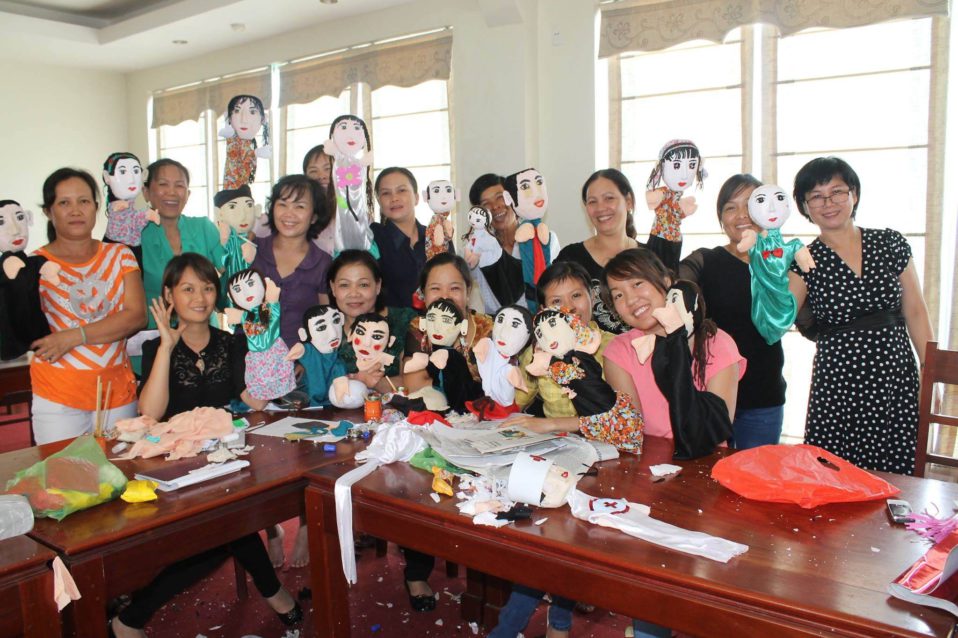
To assist disadvantaged groups in overcoming their shyness and to encourage them to engage in dialogues with a wider public, MCNV has experimented a lot with the use of Innovative Communication Methods (ICM). MCNV uses the term ‘Innovative Communication Methods’ to denounce creative and entertaining styles of communication such as community-based theatre, shadow drama, narrative story-telling, body mapping, songs, dance and participatory video.

The experience was so successful that MCNV decided to expand the application of the ICM approach to other areas of work including awareness raising on health issues and policy advocacy in areas like garbage collection and Sexual and  Reproductive Health and Rights. The ICMs that MCNV supported to use in Vietnam included theatre based approach, puppet plays, participatory video, dance and folk singing.


Achievements

The use of arts (drama and songs) improved the social status of both the Village Health Worker Association (VHWA) and Community Based Organisation (CBO) they cooperated with.  Besides that, the Village Health Worker Association (VHWA) and Community Based Organisation (CBO) members became more confident of themselves through the use of arts and became less afraid of speaking out in public meetings. In 2015, Disabled People Organisations (DPOs) and Old People’s Organisations (OPAs) in ethnic minority areas of Quang Tri province managed to collect Eur 30,000 from their communities through campaigns and public meetings where they performed drama and songs, and they use this money to sustain their community development activities. LICM demonstrated its positive contributions to advocacy as well. For example, in 2014, the Old People’s Organisations (DPO) in Quang Tri successfully lobbied for an increase of the budget of the district allocated to old people’s health by organising lobby events during which they performed drama.

Future plan

Recently, MCNV obtained funding of OXFAM-NOVIB and HIVOS to experiment with the use of ICM in Laos as well. MCNV will assist three vulnerable youth groups i.e. handicapped youth, LGBTQI youth and girls working in garment factories in Laos in using ICM for their own empowerment and for advocacy. The project allows MCNV to enlarge her experience in this field and promote the method further.

Read more

Stimulating Entrepreneurship among vulnerable groups

BACKGROUND

Entrepreneurship is about leadership, innovatively, creativity and about envisioning and exploiting possibilities. Several programs have shown the positive influence of entrepreneurship on poor and marginalised people. When they find ways of earning money they feel respected, it helps them to get into daily routines, and it makes them proud to be able to contribute money to their families and communities. The development of different types of Community managed Development Funds combined with entrepreneurship trainings and trainings on financial literacy, have already assisted thousands of people to improve their living conditions. MCNV plans to increase activities in the field of entrepreneurship especially in Vietnam.

MCNV’S RESPONSES

The market economy offers a proportion of marginalized people chances to escape their poverty. However, many face barriers of access, lack necessary capabilities or do not recognize, or even believe, that they have chances. For this reason it is important for MCNV to study and take into account how local market systems work and identify barriers and facilitators for access by marginalized groups. The work with market systems takes various forms in different programs/projects, and at different levels of development.

Almost all ethnic minorities were dependent on self-subsistence farming and have increasingly come into contact with ‘the markets’. First the traders came via the new roads (opened for ‘development’) to them from elsewhere to buy agricultural products at the farm gate. But after that these traders established shops right in the farmers’ communities and used their knowledge and networks to become ‘middlemen’ between the local producers and outside markets. The impact of these middlemen is manifold: on the one hand they help poor farmers creating new sources of income, new crops and agricultural knowledge, but on the other hand it is in their interest to keep the farmers dependent on them, for instance via debt traps and protecting their local monopolies. In the Community-Managed Health and Livelihood Development project in Khanh Hoa province (2004-2016), MCNV has worked long with ethnic minority communities to help them increase their aspiration, self-confidence and knowledge and to gradually reduce their dependencies on the middlemen, as well as on the local government.

A next step in ‘working with the market to alleviate marginalisation and poverty’ is best illustrated by MCNV’s Microfinance projects, such as that managed by the Women’s Union in Ben Tre, where poor women groups learn to save and invest money to set up and grow small businesses. Basic “financial literacy” is often lacking among the marginalised target groups and therefore MCNV is building this capacity among many groups, like for Disabled People’s Organisations to know how they could act best to maintain and gradually grow their Revolving Funds.

Future plan

Many further steps are needed to make the market work best for the poor. A large majority of Vietnamese farmers are small-holder farmers who certainly do not lack entrepreneurship or financial literacy, but they are poorly organised, which significantly decreases the influence and the “Value Chains” of their products. In Quang Tri province, Vietnam, MCNV is developing relationships with farmer’s cooperatives, and agricultural producer groups. In the near future, MCNV intends to link these initiatives to farmer groups and value chain development in neighbouring area’s in Lao PDR, thus enhancing cross-border value chain development.

Read more

Nutrition sensitive agriculture in Lao PDR and Vietnam

Background

Despite significant development progress in recent years, hunger remains a significant problem in Lao PDR, with 44% of children under 5 years old being malnourished placing their lives at risk and damaging their lifelong health. This issue is particularly severe in Nong District, one of the poorest areas in Lao PDR, and where the people can suffer food shortages for many months in the year. To tackle these problems MCNV takes a nutrition-sensitive approach to its agricultural and livelihoods work within some of poorest villages in the district.

MCNV’s responses

This approach seeks to maximize agricultures contribution to nutrition and recognizes the multiple benefits derived from enjoying a varied and nutritious diet, the social significance of food and the importance of agriculture in supporting rural livelihoods. Instead of focusing exclusively on crop production for the market, villagers use their land to cultivate a variety of commodities including fruits, vegetables, small livestock and fish. In Nong, MCNV has supported this approach by supporting the development of fish ponds, providing seeds and equipment for home gardens and strengthening village veterinary services to ensure healthy livestock. MCNV’s approach to agriculture also entails promoting gender equity, and providing nutrition education so that household resources are used to improve nutrition, especially that of women and young children. For example, the approach looks at the division of labour between men and women, to ensure mothers have enough time to breastfeed their infants. Finally, MCNV adopts a multi-sectoral approach to nutrition linking agriculture to sectors that address other causes of malnutrition, namely education, health and social protection.

Achievements

Through working in partnership with organisations ranging from village development committees to the Ministries of Agriculture, MCNV has improved agricultural production whilst preserving the soil, land and water that villagers depend upon, but most importantly it has helped to reduce hunger and malnutrition improving the health of children with lifelong benefits.

Future direction

In the coming years MCNV is working with the Food and Business Knowledge Platform and VU University in the Netherlands to conduct research into the impacts of nutrition-sensitive agriculture to ensure that it can be scaled-up so many more people in Lao PDR and elsewhere can benefit from this approach.

http://knowledge4food.net/research-project/scaling-up-nutrition-sensitive-agricultural-initiatives-in-vietman-and-laos/

Read more

Learning through health research

Background

Research is vital for informing and underpinning MCNV’s interventions and ensuring that we can understand their impact. It also helps to ensure that knowledge is generated to inspire new ideas, catalyse innovations, and provide evidence to policy makers to inform their decision making and help ensure that policies are effectively implemented. The publication of research also helps to inform others of new processes, methods, techniques and ways of thinking that contributes to improved ways of working to reduce poverty and improve health.

MCNV’s responses

In Lao PDR, MCNV runs the LEARN (Lao Equity through policy Analysis and Research Networks) this a 5 year program that is funded by the EU Commission to enhance the capabilities of public health institutes in Laos. Working together with a range of partners the program aims to ensure that the Laos National Institute of Public Health becomes of centre of excellence for the provision of evidence-based and contextually adapted policy advice. This evidence is used to enhance decision making and improve the implementation of health policies both within Laos and the wider Greater Mekong Sub-region (GMS)

LEARN brings together a unique range of partners to achieve this goal. As well as the Laos National Institute of Public Health, LEARN also brings together the University of Health Sciences in Laos, the VU University in the Netherlands, the Hanoi School of Public in Vietnam and MCNV, an international NGO that has been working in the health sector in the GMS for many decades.

These partners come together to help ensure that:

  • Effective and convincing evidence is available to policy-makers who are better able to use it for policy making and programming
  • The National Institute of Public Health and its partners have increased access to finance, skilled human resources and information.
  • Researchers are able to produce high quality research and are able to convincingly present results and recommendations to a wide range of stakeholders.

Expected results

During its 5 year implementation the program will support a range of activities including;

  • International scholarships for Lao researchers to gain Phd’s
  • A joint Masters in Public Health Program between University of Health Sciences and Hanoi School of Public Health
  • Upgrade of IT facilities and introduction of public health e-learning resource centre
  • A research grant scheme to support the production of high quality research with Laos
  • Development of a long-term strategic plan for National Institute of Public Health
  • A wide range of workshops and trainings in areas ranging from ethics, transdisciplinary research practice, and production of policy briefs.

In addition to this major project, MCNV also conducts research in a wide range of areas including the impact of its agricultural interventions on nutrition and how these can be scaled-up, the use of IT in development, the control and prevention of malaria, the effectiveness of self-help groups in empowering people living with HIV and examining barriers to policy implementation in areas as diverse as the provision of mental health services and access to mother and child healthcare. Research is often conducted in partnerships with Dutch Universities such as VU University. The research is action-based and reflective and is designed to ensure that all people are involved in the process, for complex issues such as malnutrition, multiple stakeholders and engaged in the research and transdisciplinary approaches are used. MCNV’s works in research helps us to understand better the world around us and ensures we can support people within development processes to make the world a better place.

Read more

Support to people with disability

Background

Approximately 7.8% of Vietnamese people are living with a disability (PWD) and about 75% of them are living in rural areas. Vietnam has ratified the UN Convention on the Right of People with Disabilities (CRPD). Accordingly, the Government commits to protect the rights of PWD based on the principles of equal opportunity and inclusive development in a barrier – free society. To realize these rights, the Vietnam National Assembly has approved the Law on Disability. Based on this, the Government has in the last 10 years developed and brought into operation many policies to support the PWD, focusing on health care, education, social security and vocational training.

Problem

However, many PWD are still excluded from different aspects of complete life. About 35 % of disabled children at primary schooling age have never gone to school while this applies to only 3 % among those without disability. Still about 42% of the PWD who can and want to work could not find a job; in comparison to 4% among those without disability. PWD are faced with many challenges in socio-economic development and in their daily life when they could not access transportation vehicles or public buildings; could not participate fully in social activities due to limited access to information and communication; could not benefit from developments as they were not heard and not counted sometime and somewhere. This situation is caused by the limited capacity of public service providers in policy implementation and the weak capacity of PWD in demanding and raising their voices while stigma and discrimination against disability still exists.

MCNV’s response to the problem

MCNV has invested a lot of resources over a long time to implement activities that support the inclusion of PWD in Vietnam. The Disablity program started with Community Based Rehabilitation (CBR) as a part of Community Managed Health Development (CMHD) program in Quang Tri in the 1990s. Then it was expanded to Dak Lak (1998), Cao Bang (2001), Phu Yen (2002), Khanh Hoa (2005), and Dien Bien (2014). Today MCNV’s Disability Program consists of 4 main components:

  • Medical Rehabilitation
  • Inclusive Education
  • Income Generating Activities
  • Empowerment for PWD and Disabled People Organizations

In the implementation of the Disability Program MCNV collaborates with Governmental partners from the national to the commune level based on the existing structure of the public service system. MCNV also always involves the PWD and their families in the process. The program focuses on creating new services that are suitable to the local context of culture and resources to ensure sustainable changes in the quality of life of PWD. Much attention is given to the building of capacity for all stakeholders, including the PWD themselves, from the individual to institutional level. All support for PWD are based on their real needs and distributed with their full participation.

Achievements so far

More than 20,000 adults and children with disabilities and their families have benefited from different types of medical, educational and economical rehabilitation and social support. About 60% of PWD improved their independent functioning in daily life as a result of home based rehabilitation and referral services. 70% of poor PWD have escaped from poverty thanks to MCNV’s financial and technical support to their Income Generating Activities. 88% of CWD at school age now have access to appropriate education in the project areas. In total 47 Disabled People’s Organizations (DPO) were supported to amplify the voices of PWD in communication and dialogue on policies and services in their communities. These DPO play a fundamental role to facilitate the participation of 55% members of DPO in social and sport activities on the local and national level. The CBR model initiated by MCNV was successfully documented and integrated into the rehabilitation policy by the Ministry of Health and replicated in other provinces.

Future plan

MCNV will apply the lessons learned in supporting PWD in new areas including the Northeast and the Mekong Delta. The program will focus on facilitating cooperation among stakeholders to ensure disability issues are integrated in the mainstream of society’s development. Specific projects will be designed for PWD and their organisations to improve their capacity in lobby and advocacy for the rights of PWD. MCNV also will strengthen its cooperation with Ministries and Institutions in development of disability – related human resources as well as in seeking evidence of cost – effectiveness that can be used for policies and decision making.

Read more

Nutrition improvement for children

Background

Children who are born underweight or do not receive sufficient nutritious food during their first years of life have a much higher chance to die in childhood. If children are able to survive their malnutrition childhood results in a lifelong disadvantage in health as well as the capacity to develop intellectually. While the malnutrition rates for whole countries such as Vietnam and Lao PDR have steadily improved over the last decades, this masks the fact that it remains unacceptably high among ethnic minorities and other marginalized groups. Due to the developmental disadvantages that malnourished children face, they also encounter difficulties when it comes to progressing financially. These obstacles leave them at a young age to grow up as the next generation’s marginalized youth.

Good nutrition is a Child’s Right

Malnutrition in children is strongly correlated with the poverty of their parents and the education level of their mothers. It is a complex problem comprising not only of the access to safe and nutritious food but also awareness and knowledge, food beliefs and taboos, as well as the deteriorating quality of natural resources and global developments in food systems. For many previously self-subsistent ethnic minorities economic development (growing cash crops instead of their own food) and a more ‘modern way of life’ (money to buy junk foods at the market) have made things worse rather than better.

The government of Vietnam has invested big efforts over many years but among ethnic minorities in remote areas the improvement is very slow, if any at all. Therefore NGO’s like MCNV work side by side with government agencies to try out better approaches that fit better to the local contexts.

MCNV’s response

Over the past ten years, MCNV has paid special attention to child malnutrition among ethnic minorities, specifically in the provinces Khanh Hoa and Phu Yen in Vietnam, as well as Savannakhet in Lao PDR. In Phu Yen the focus was on awareness raising and self-help activities in mother groups at the village level. In Khanh Hoa a nutritious cereal powder was developed that was locally produced and distributed by the health system to all families with malnourished children in the district. In Lao PDR the emphasis is on agricultural changes, such as home gardens, fish ponds and small livestock rearing. Positive effects have been demonstrated in several of these pilots but now it becomes urgent to combine the best approaches to find the most effective way to increase the scale in order to reach vast locations.

Future plan

In the coming years MCNV will focus its work on malnutrition in Lao PDR where the problem is most severe. This will be done by systematic learning, taking the experiences in Vietnam and Lao PDR and seeing how the best interventions can be applied using the local context of Lao PDR. Together with the local population, the health, agriculture and education services will need to work together. MCNV will collaborate with researchers from the Free University of Amsterdam and the important national institutes in Vietnam and Lao PDR to produce evidence about effectiveness and sustainability of interventions. This evidence will then be widely disseminated to convince government authorities and policy makers to increase their efforts to increase the number of children who can start their life with more hope for a healthy future.

Read more

Climate change adaptive agriculture & livelihoods

Background

Southeast Asia is one of the regions that will soon be severely affected by climate change. All throughout the region farmers are complaining that the rainy seasons have become more unpredictable and often bring too little rain too late, leading to misharvests.

The combined effect of less freshwater runoff from the Mekong river, due to upstream dams, and rising sea water levels is already leading to increased salinization. In Ben Tre province where MCNV has been working for many years this has become an acute problem for many as the famous Pomelo trees have started to wither away.

MCNV’s responses

Climate change will eventually affect all, but the poor and marginalized are hit hardest and soonest. Therefore MCNV pays special attention to help pilot and promote more climate change resilient forms of agriculture in the areas where we work. Sustainable approaches that stop and revert the deterioration of soil fertility and conserve the use of fresh water are among the most important directions. As long as these methods do not require heavy investments which would per definition ‘exclude’ the poor people to benefit from. At the same time, to stabilise the lives of the poor who are seriously affected by drought and salinity, MCNV offers technical trainings and credit for poor women to start up on alternative income generation activities such as on husbandry and handy craft work. Establishment of new cooperative models for poor women based on their traditional professional strengths and market experience is a new approach that MCNV pilots in Ben Tre province. The cooperatives promises to create more opportunities for the poor because it reduce production cost and more effective in labour utilisation.

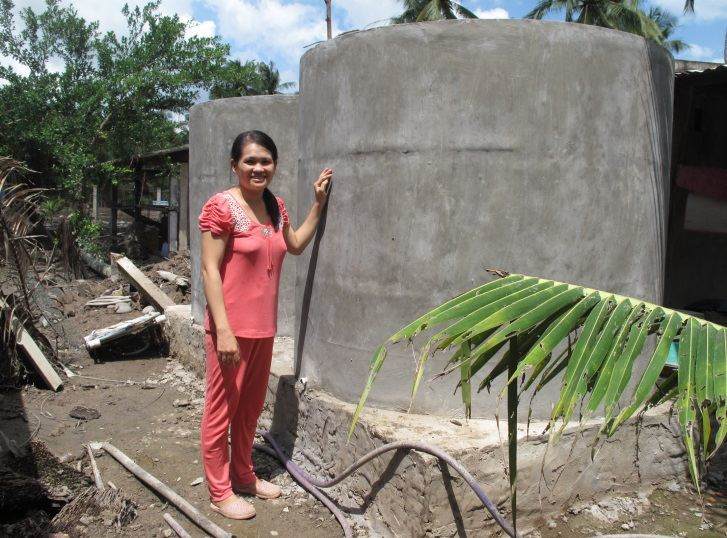
MCNV has responded quickly and effectively with an initiative to support the poor women to build big water container to retain rain water for their cooking needs in dry season right after the drought and salinity happened in early 2016. Up to September 2016, the revolving loans for water container building has been helping 160 household to build 296 containers which could retain total of 829m3 rain water for live needs in drought seasons. The number of poor households which could build containers will increase in coming year as the loans revolves.

The theme of sustainable agriculture is deeply intertwined with the increasing need of producing safe and nutritious food for growing populations. The massively increasing concern about food safety among the more affluent people in urban areas in Vietnam in fact offers new livelihood chances for poor ethnic minority farmers in organic farming. Their land and soils, if kept healthy and unpolluted, may in future become one of their most valuable assets. Luckily there are signs that the agriculture policy makers might turn away from the customary equation of high technology and large scale solutions with ‘development’, where these are still strongly promoted by global agribusiness and agro-chemical corporations.

MCNV is most strongly developing the theme of ‘Nutrition-Sensitive Agriculture’ among some of the most remote and poor ethnic minority farmers in Laos. These areas are too far from urbanized areas and markets and the emphasis must be on sustainable self-subsistence and improving/ restoring the access to nutritious foods, especially for infants and pregnant women, in a context of deteriorating natural resources /forests.

Read more

Sexual & reproductive health for teenager in Huong Hoa

Background

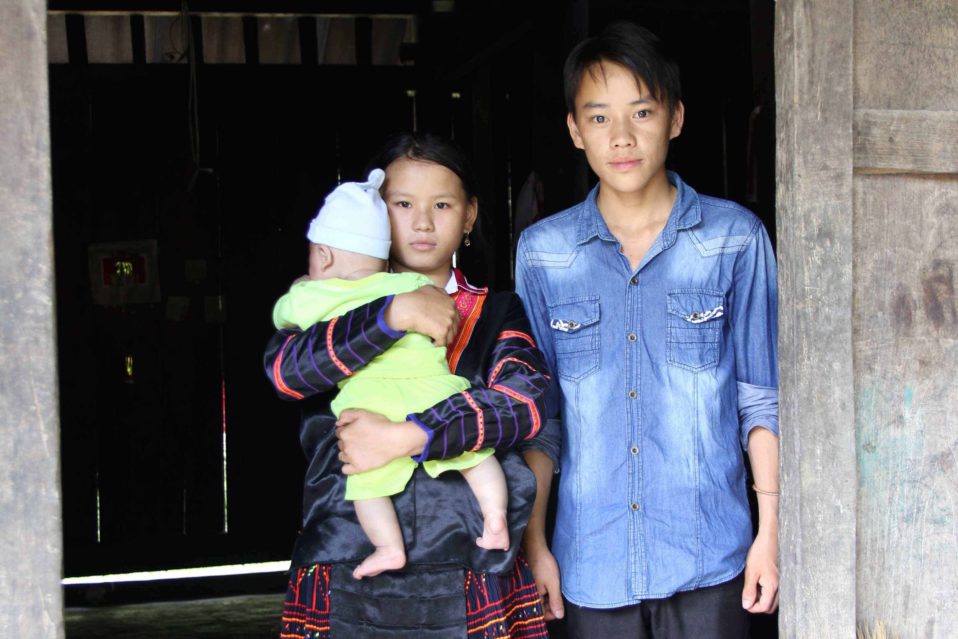
Huong Hoa is a remote district of Quang Tri province, located in the border area Vietnam – Lao PDR. The district has a total population of nearly 80,000 in which above 50% are people from ethnic groups of Pacoh and Bru Van Kieu. In the villages along the border area where MCNV works, out of total population of 12,353 people, there are 1,999 poor households (16.2%) and 9,835 ethnic minority people (79.6%).

The Pacoh and Bru Van Kieu have no written language and have limited access to educational information and quality health services. They mainly live on growing banana, cassava, corn, and some rice, and practice shifting cultivation on the poor highlands. They work hard but obtain insufficient income to afford health and educational services. Similar to other ethnic minority groups in Vietnam, as a consequence of poverty and low awareness, they lag behind in all aspects of the development process.

Problem

As a cultural custom, teenagers of Pacoh and Bru Van Kieu ethnic groups are allowed by their parents to date quite freely, and they are allowed to get married, too, when they are still very young. Having sex is almost unavoidable among teenagers. The problem is that so many of them do not have enough basic knowledge in SRH, putting themselves always at risk of bearing unexpected pregnancy and sexually transmitted diseases (STDs). While SRH is not taught at schools, teenagers in this remote area also have limited access to educational messages about SRH through other channels of information. And even if they are aware of problems related to SRH, they avoid talking about it as it is too much “sensitive” or “private” to talk about.

A baseline survey done with teenagers in this area in 2013 has given shocking data – 56% of teenagers under 16 already experienced having sex, 78% didn’t know how to protect themselves from STDs, 14% of teen-girls got unexpected pregnancy, and 97% didn’t prove that they had enough basic knowledge in contraception.

MCNV’s responses

Since mid-2015, MCNV has launched a project to help tackle this problem. We started with co-creation workshops with some groups of active teenagers and village health workers (VHWs) selected from two piloted communes of A Tuc and A Xing. Co-creation workshops enabled the teenagers to get basic understandings about SRH, analyse their real problems, identify practical solutions and come up with an action plan. A story-based approach was applied so that the teenagers could share true stories that happened as a consequence of unsafe sex practices in their community and, with technical support from MCNV staff and the VHWs, re-formulate the stories in the form of shadow drama and puppet shows. The teenagers then presented the shows in combination with community events and interacted with the audiences about SRH aspects related to the stories. The community events were organized every month by the teenagers with the participation of peer/interest groups – youth football clubs, and RAP and hip-hop groups.

In parallel with this way of behavior change communication, some teenagers also volunteered to sell condoms at home, which was more easily approachable to the young people. In contrast, condoms could be easily found at the commune health stations, but the teenagers would never come there to ask for.

Another solution was to use the photo-story telling technique to tell the stories in the form of animations and shared them on the social media to reach and interact more with the online community. We also used a mass instant messaging service to deliver educational messages about SRH for teenagers in this remote area in a weekly basis.

Achievements

One of the most significant change, as revealed from 40 in-depth interviews and 4 focus group discussions recently with the teenagers directly involved in the project, is that they have changed their mindsets, attitudes and behaviours about SRH at teenage and actively communicated with their friends, families and neighbours to raise their awareness about this topic, which they never dared to speak out before.

Four small groups of teenagers, about 10 members each, have produced 4 shadow plays and 4 puppet shows and used them for behavior change communication events and for online communication.

An added value of the project was the increase in the teenagers’ power and motivation to make contribution to the community development, which they thought before to be the adults’ affairs. They have become more united for it, as well. There used to be tensions and conflicts among different groups of teenagers, making them not dare to go from one commune to another for fear of being beaten. Now they have become friends, instead.

Further evaluation will be done in the coming time to see changes in SRH knowledge, attitudes and practices among more than 600 teenagers and older young people in these two communes.

Future plan

We expect to maintain this project in these two communes and upscale it in other three neighboring communes of Huong Hoa district in 2017 and 2018, directly benefiting to about 1,300 teenagers and older young people. In this new phase, we will promote the role of local leaders, parent groups and schools (both high schools and secondary schools) in changing SRH practices among teenagers. In addition, we will collaborate with the district and commune health centres and the Association of VHWs in applying e-health initiatives in SRH communication.

Good practices and lessons learnt from this project will be documented and shared with relevant organisations and networks, such as UNFPA, Barefoot Guide Alliance, ARROW, ADF, WGNRR, and the Vietnam’s health sector and policy makers.

Read more